Contents
How to Build a Cybersecurity Portfolio That Gets Interviews
Many cybersecurity beginners focus on certifications and courses but forget one important thing: proof of skills.
A strong portfolio can help recruiters and hiring managers understand what you can actually do. In many cases, a good portfolio creates more interest than another certificate.
Why a Portfolio Matters
Recruiters receive many applications from candidates with similar certifications and educational backgrounds.
A portfolio helps you stand out by showing:
- Practical skills
- Technical knowledge
- Problem-solving ability
- Communication skills
- Commitment to learning
Create a Professional GitHub Profile
GitHub is one of the most valuable platforms for showcasing technical work.
Your GitHub profile can include:
- Python security scripts
- Automation tools
- Networking projects
- Security utilities
- Documentation
Keep repositories organized and include clear descriptions.
Document Your Labs and Challenges
Completing labs is useful, but documenting them is even more valuable.
Write about:
- TryHackMe rooms
- Hack The Box machines
- PortSwigger labs
- Capture The Flag challenges
Explain what you learned and how you solved problems.
Build a Home Lab
A home lab demonstrates initiative and practical experience.
Examples include:
- Virtual machines
- Linux servers
- Windows environments
- Active Directory labs
- Security monitoring tools
A simple lab can teach valuable real-world skills.
Create Security Projects
Projects show employers that you can apply knowledge.
Examples include:
- Log analysis tools
- Password strength checkers
- Vulnerability scanners
- Security dashboards
- Automation scripts
Focus on quality rather than quantity.
Write Technical Articles
Writing demonstrates communication skills.
You can publish articles about:
- Security concepts
- Labs completed
- Tools you use
- Lessons learned
Clear communication is an important cybersecurity skill.
Highlight Certifications
Certifications should support your portfolio rather than replace it.
Include:
- Security+
- Google Cybersecurity Certificate
- ISC2 CC
- Relevant training programs
Show how you applied what you learned.
Common Portfolio Mistakes
Avoid:
- Empty GitHub accounts
- Copying projects without understanding them
- Publishing low-quality work
- Focusing only on certificates
- Ignoring documentation
What Recruiters Want to See
Recruiters usually look for evidence that you can:
- Learn independently
- Solve problems
- Communicate clearly
- Work with technical tools
- Continue improving your skills
Your portfolio should make those strengths visible.
Final Thoughts
A cybersecurity portfolio is one of the best investments a beginner can make.
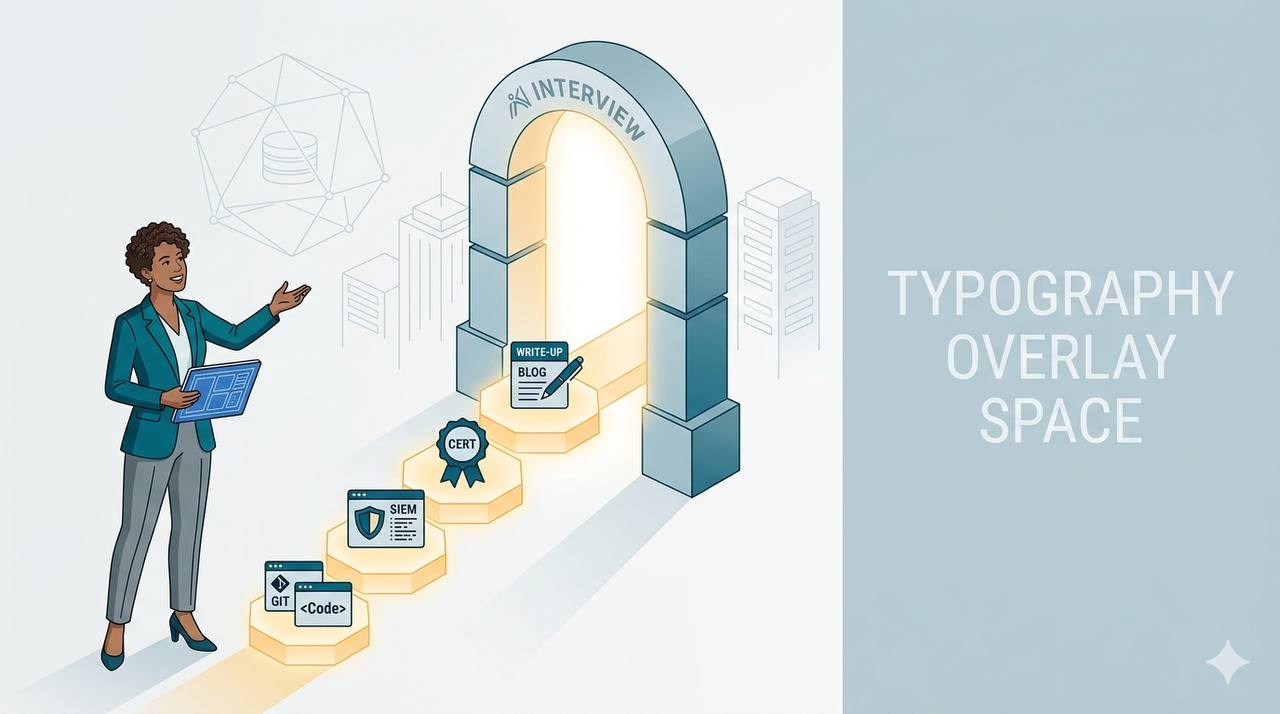
Projects, write-ups, GitHub repositories, home labs, and technical articles can all help demonstrate your abilities and improve your chances of getting interviews.
Focus on building real projects and documenting your learning journey consistently.

Related articles
Cybersecurity
The Best Countries for Cybersecurity Professionals in 2026
Compare the best countries for cybersecurity careers based on salary, demand, and growth opportunities.
Cybersecurity
The Best Cybersecurity Certifications for Beginners in 2026
A practical guide to the best beginner cybersecurity certifications to start your career in 2026.
Cybersecurity
The Best Free Resources to Learn Cybersecurity in 2026
Discover the best free websites, labs, courses, and platforms for learning cybersecurity in 2026.
Cybersecurity
CEH vs CISSP: Which Cybersecurity Certification Is Better?
Compare CEH and CISSP certifications, career paths, salaries, and job opportunities.
Cybersecurity
Cybersecurity Career Paths Explained: Which Path Is Right for You?
Explore the major cybersecurity career paths, compare responsibilities and skills, and discover which cybersecurity specialization fits your goals.
Cybersecurity
Are Cybersecurity Certifications Enough to Get a Job?
Learn whether cybersecurity certifications alone can help you get hired and what employers actually expect.